
Reading the Signs of Change: Four Pivotal Issues in Pharmacovigilance from DIA Korea 2025
페이지 정보


본문
The Future of PV at the Intersection of Global Regulation and Technology
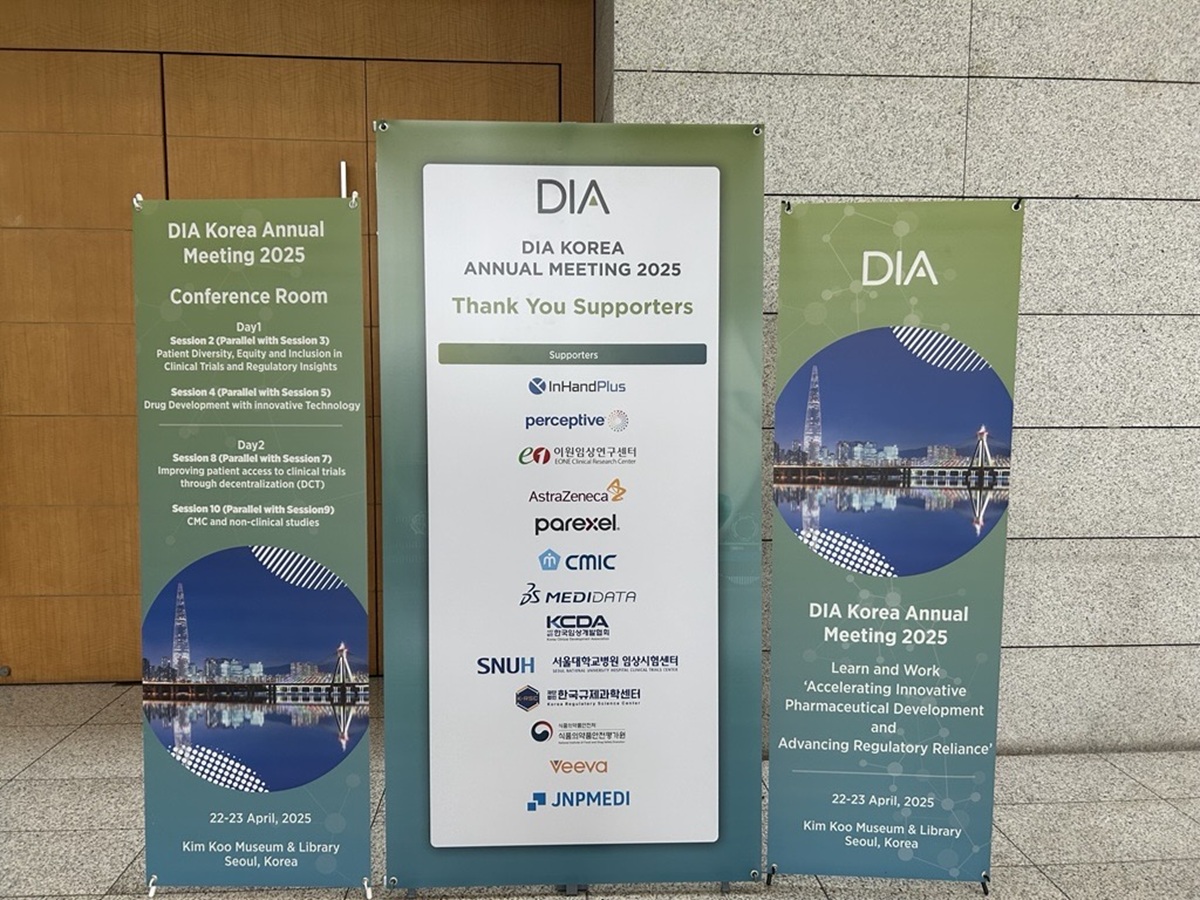
The 2025 DIA Korea Annual Meeting once again served as a premier stage for regulatory scientists, clinical development experts, and drug safety professionals worldwide. Under the theme ‘Learn and Work,’ the SELTA SQUARE PV Team participated in this two-day conference and identified four transformative shifts currently reshaping the inflection point of PV practice. These changes are expected to deeply influence our operational methodologies, system architectures, and regulatory compliance strategies.
▶ Four Key Transformations
① RWE Integrated with AI and Digital Transformation The influence of Real-World Evidence (RWE) is expanding beyond initial drug approval to include indication expansion, safety comparisons, and post-marketing surveillance (PMS). We observed that South Korean regulatory bodies are increasingly encouraging RWE-based proactive pharmacovigilance research to keep pace with this trend.
② Accelerating Adoption of AI by Global Regulatory Authorities Regulatory agencies, including the FDA, the Swedish Medical Products Agency (MPA), and the South Korean MFDS, are actively integrating AI into their review processes and rapidly updating regulatory frameworks. However, concerns regarding the reliability of Generative AI have brought "Explainable AI (XAI)" to the forefront, signaling that evidence-based judgment remains the bedrock of the medical and pharmaceutical sectors. Implementing transparent AI requires high-quality, domain-specific training data. This necessitates a "Human-in-the-Loop" structure—a collaboration between domain experts and developers that reflects the actual context of PV workflows.
③ The Era of Global Joint Reviews: Competitiveness through Global Consistency In the digital health era, regulatory agencies (e.g., ANVISA, EMA, FDA) face common challenges: surging application volumes and limited resources. Consequently, there is a strong movement toward Regulatory Reliance—reducing redundant evaluations and optimizing human resources through trust-based cooperation. For stable reliance, authorities emphasize expertise-driven trust, national independence, and standardization of assessments. This shift underscores that securing data consistency and interoperability based on global standards is becoming a critical mandate for PV.
④ Shifting Toward a Patient-Centered, Tailored Era With rapid advancements in digital health technology, treatments are becoming personalized, and information flow is becoming patient-centric. Risk Communication, in particular, is pivoting toward designs that patients can easily understand and act upon. Beyond intrinsic drug risks, issues arising from information accessibility, comprehension, and adherence are gaining attention. Stakeholders are actively exploring communication strategies that prioritize Readability, Understandability, and Actionability. The digitalization of label information is a key strategy to enhance health literacy, implying that the role of PV must expand from simple data reporting to becoming a "Communication Designer" for product safety.
▶ How SELTA SQUARE is Responding
The shifts identified at DIA 2025 align perfectly with SELTA SQUARE’s solution roadmap, clarifying our strategic execution:
· Proactive PV via RWE: We leverage public data integration to enhance the global competitiveness of domestic firms.
· PV Digital Transformation: We ensure data consistency and interoperability while building XAI systems rooted in domain expertise.
· Role Expansion: We empower PV specialists to act as Human-in-the-Loop experts and information designers.
Accordingly, SELTA SQUARE is redesigning the structure of pharmacovigilance through our PVaaS (Pharmacovigilance as a Service) platform, including the WAVE (an automated ICSR reporting system compliant with E2B R3) and comprehensive RWE-based safety research services.
Pharmacovigilance is entering an era that demands both scientific insight and technical execution. By interpreting these signs of change through a data-driven, field-centric lens, we remain committed to providing practical solutions for PV professionals.
